
Things to Do in Bhutan
Things to Do in Bhutan span cultural, spiritual, outdoor, nature, and wellness experiences in a country small enough to combine several of them in one trip — the Tiger’s Nest hike, dzong and monastery visits, and Thimphu’s Weekend Market anchor almost every itinerary, while trekking, wildlife viewing, rafting, and festival attendance add depth for travelers with more time or specific interests.
Culture
Adventure
Wildlife
Food
Wellness
Which activities make sense depends mainly on how many days you have and what you’re drawn to: a short trip supports only the essentials, while a longer one opens up serious trekking, remote culture, and deeper nature experiences. Matching your priority — adventure, culture, nature, or relaxation — to the right activities works better than trying to fit everything in.
Spiritual Encounters
Outdoor Adventures
Nature & Wildlife
Local Food & Crafts
Wellness & Relaxation
Plan Your Bhutan Trip
Share your travel plans and we’ll get back with the best options.
No spam. Just good travel advice.
Plan Your Bhutan Trip
Plan Your Bhutan Trip
Plan Your Bhutan Trip
Plan Your Bhutan Trip
Plan Your Bhutan Trip
Plan Your Bhutan Trip
Plan Your Bhutan Trip
Plan Your Bhutan Trip
Around What You Actually Want to Do
Plan Bhutan Your Way
Planning Things to Do in Bhutan starts with knowing what’s realistically possible for your trip — a country this rich in cultural, spiritual, outdoor, nature, and wellness experiences rewards a focused itinerary far more than an attempt to see everything at once.
EasoTrip, a trusted Bhutan travel expert, helps turn that range of possibilities into a itinerary that actually fits your days, priorities, and pace.
01
Tiger's Nest
Hike
02
Dzong
Visits
03
Trekking
04
Wildlife
Viewing
05
Festival
Timing
That’s where a Bhutan travel expert like EasoTrip makes the difference: matching the Tiger’s Nest hike, dzong visits, trekking, wildlife viewing, and festival timing to your specific days and interests, rather than leaving you to piece together a generic checklist.
Whether you’re drawn to adventure, culture, nature, or relaxation, EasoTrip’s on-the-ground experience helps translate that priority into an itinerary that actually works — the right destinations, the right season, and the right pace, so every day in Bhutan counts.
Tailor-made, just for you
The Right
Destinations
Handpicked places that match your interests and time.
The Right
Season
Perfect timing for festivals, weather, and experiences.
The Right
Pace
A comfortable itinerary that lets you enjoy every moment.
Bhutan expertise. Authentic experiences. Hassle-free travel. That’s the EasoTrip promise.
Best Things to Do in Bhutan
Hike to Tiger's Nest Monastery
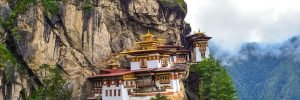
Bhutan's single most essential experience — a climb of roughly 2–3 hours each way to Taktsang Palphug Monastery, built directly into a cliff face around 900m above the Paro Valley floor at an elevation of about 3,120m. Allow 4–6 hours round trip including time at the monastery itself, tied to the legend of Guru Rinpoche's arrival on the back of a tigress.
Explore Bhutanese Dzongs and Monasteries
Punakha Dzong, Bhutan's most architecturally significant fortress, and Rinpung Dzong in Paro anchor this experience — both combining religious and administrative function in the distinctive dzong architectural form found nowhere else in comparable scale. A licensed guide is required for entry to any dzong or monastery.
Attend a Bhutanese Festival
Paro Tshechu (spring) and Thimphu Tshechu (autumn) offer masked cham dances and genuine cultural spectacle within a dzong courtyard — timing a trip around one of these festivals adds significant depth to a Bhutan visit. Dates follow the lunar calendar and shift yearly, so confirm the current year's schedule before booking around one.
Experience Traditional Bhutanese Culture
From Thimphu's active National Memorial Chorten, where locals gather daily to circumambulate and pray, to a homestay in Phobjikha Valley or Bumthang, genuine cultural immersion goes beyond sightseeing into direct contact with everyday Bhutanese life.
Try Bhutanese Food
Ema datshi (Bhutan's national dish), momos, and traditional Bhutanese dining offer a genuine culinary introduction to the country, best experienced at a homestay meal or a proper Bhutanese restaurant in Thimphu or Paro, as covered in this guide's dedicated food content.
Go Trekking in the Himalayas
From the accessible Druk Path Trek to the demanding Jomolhari Trek, Bhutan offers genuinely uncrowded trekking through subtropical forest to high alpine terrain — a major draw for outdoor-focused travelers. All overnight treks require a licensed guide.
Experience Bhutanese Archery
Archery is Bhutan's national sport, and watching or trying a match — often arranged through village visits or your guide — offers a distinctly Bhutanese activity unavailable elsewhere.
Enjoy a Traditional Hot Stone Bath
A restorative Bhutanese wellness tradition, commonly offered at farmhouses and homestays, using heated river stones (dotsho) to warm bathwater — a genuine local practice rather than a spa treatment imported for tourists.
Explore Bhutan's Valleys and Landscapes
Punakha Valley, Phobjikha Valley, and Bumthang's four valleys each offer distinct landscape character — terraced farmland, open glacial wetland, and high-altitude temple-dotted terrain respectively.
Experience Bhutanese Wildlife and Nature
Phobjikha Valley's black-necked cranes, present from late October to mid-February, and Royal Manas National Park's subtropical wildlife in the far south represent Bhutan's two strongest wildlife experiences, spanning opposite ends of the country's elevation range.
Cultural Things to Do in Bhutan
TL;DR: Culture is Bhutan's deepest travel draw — from active dzongs and ancient temples to masked festival dances, working craft schools, museums, and genuine farmhouse hospitality, each experience offers a different way into the country's living heritage.
Visit Bhutanese Dzongs
Punakha Dzong, Rinpung Dzong (Paro), Tashichho Dzong (Thimphu), and Simtokha Dzong — built in 1629 and the oldest dzong to survive intact, though not the very first ever built in Bhutan — together span the country's essential fortress-monastery architecture: active government and religious institutions rather than historical displays.
Visit Ancient Monasteries and Lhakhangs
Taktsang Palphug Monastery, Kyichu Lhakhang (among Bhutan's oldest temples, dating to the 7th century), and Kurjey Lhakhang in Bumthang (holding Guru Rinpoche's body-imprint relic) offer genuine religious depth spanning the country's earliest documented Buddhist history.
Attend a Tshechu Festival
Paro Tshechu (spring) and Thimphu Tshechu (autumn) are Bhutan's largest and most significant festivals, drawing large crowds to their respective dzong courtyards for days of masked cham dance performance.
Watch Traditional Masked Dances
Cham dances — sacred masked performances reenacting Buddhist stories, often depicting the subjugation of demons or Guru Rinpoche's deeds — form the visual centerpiece of every major tshechu, performed by monks and lay dancers in elaborate costume.
Learn About Bhutanese Buddhism
Beyond visiting temples, engaging with Bhutanese Buddhism means observing living practice — the daily circumambulation at Thimphu's National Memorial Chorten, or a hike to Tango or Phajoding Monastery, both active centers of ongoing monastic education.
Visit Traditional Art and Craft Schools
The National Institute for Zorig Chusum in Thimphu offers direct observation of Bhutan's thirteen traditional arts and crafts in active student training, alongside Choki Traditional Art School and, in eastern Bhutan, Trashiyangtse's School of 13 Traditional Arts.
Explore Bhutanese Architecture
Traditional Bhutanese building style — rammed-earth or stone construction, carved rabsel windows, painted timber cornices — appears throughout the country, from grand dzongs to ordinary farmhouses, and remains actively enforced through building codes even in contemporary construction.
Visit Museums and Cultural Institutions
The National Museum of Bhutan (Paro, housed in the historic Ta Dzong watchtower) and the National Folk Heritage Museum (Thimphu) offer curated introductions to Bhutanese history, art, and rural domestic life respectively.
Experience Traditional Bhutanese Dress
Observing (or, with appropriate arrangement, trying) the gho (men's robe) and kira (women's dress) — most vividly on display during tshechus, when the majority of Bhutanese attendees wear their finest traditional attire.
Stay in a Traditional Farmhouse
A homestay in Phobjikha Valley, Bumthang, or elsewhere places visitors directly within a working Bhutanese household — sharing meals, conversation, and daily rhythm with a host family rather than staying in a conventional hotel.
Experience Bhutanese Hospitality
Beyond any single activity, Bhutanese hospitality itself — the warmth of being urged to eat before a shared meal, a genuinely warm welcome at homestays and smaller restaurants, and openness to conversation with visitors — is a defining, if less tangible, part of experiencing the country's culture firsthand.
Note: This section covers Bhutan's cultural activities at the experience level — for full site-by-site detail on any specific dzong, monastery, or institution, see this guide's dedicated Historic Dzongs, Ancient Buddhist Temples, and Buddhist Festivals content. Approach all religious and cultural sites and practices with genuine respect, particularly given how many remain active places of worship or working communities rather than tourist displays.
Spiritual Things to Do in Bhutan
TL;DR: Beyond dzong-and-temple sightseeing, Bhutan offers genuine spiritual engagement — pilgrimage, blessing rituals, meditation retreat, and direct contact with active monastic life, distinct from simply visiting religious architecture as a tourist.
Visit Tiger's Nest Monastery
Approached as a spiritual act rather than a sightseeing stop, the hike to Taktsang Palphug Monastery is itself treated as an act of devotion by Bhutanese pilgrims — climbing to the cave where Guru Rinpoche is said to have meditated in the 8th century offers travelers a chance to engage with the site's pilgrimage function, not just its visual drama.
Receive Buddhist Blessings
Chimi Lhakhang, dedicated to the "Divine Madman" saint Drukpa Kunley, remains an active site where fertility and general blessings are sought by pilgrims today. More broadly, arranging a blessing ceremony conducted by a monk, through your guide or a specialist arrangement, offers a genuine, direct spiritual experience rather than an observed ritual.
Visit Sacred Monasteries and Temples
Kurjey Lhakhang (holding Guru Rinpoche's body-imprint relic), Gangtey Monastery (a significant Nyingma institution overlooking Phobjikha Valley), and Kila Goemba (reached via a trail below Chele La Pass and reputed to be Bhutan's oldest nunnery, founded in the 9th century and still an active meditation site for its resident nuns) each offer a different facet of Bhutan's living sacred geography, as covered in this guide's dedicated Sacred Places in Bhutan content.
Practice Meditation
Phajoding Monastery, above Thimphu, and Tango Monastery both function as active meditation and monastic-education centers — reachable via dedicated hikes, they offer travelers proximity to genuine, ongoing contemplative practice rather than a staged demonstration. Some operators can arrange short guided meditation sessions with a monk as part of a monastery visit; confirm current availability with your guide.
Explore Buddhist Shrines and Chortens
The National Memorial Chorten in Thimphu, in continuous daily devotional use by local residents, offers the clearest window into everyday Bhutanese spiritual practice — walking clockwise alongside local pilgrims, rather than simply observing from a distance, is itself a small but genuine spiritual gesture. Dochula Pass's 108 chortens, while built more recently as a war memorial, follow traditional Buddhist form and function as an active site of prayer.
Experience Monastic Life and Spiritual Traditions
Beyond a single site visit, understanding Bhutan's monastic structure adds real depth to a trip. The Zhung Dratshang (Central Monastic Body), headed by the Je Khenpo, follows a seasonal migration dating to the 17th century: summering at Tashichho Dzong in Thimphu and wintering at Punakha Dzong, a tradition originally set by Zhabdrung Ngawang Namgyal. Travelling in Bhutan around late autumn or spring occasionally means crossing paths with this procession on the Thimphu–Punakha highway. Alongside this, the daily rhythms of teaching monasteries like Tango and Phajoding show how spirituality is institutionally woven into Bhutanese national life, not confined to isolated temple visits.
Note: This section is deliberately distinct from general cultural sightseeing — it focuses on spiritual engagement and pilgrimage practice specifically. Approach every site and practice here with genuine respect: modest dress, quiet conduct, and permission before photographing individuals or ritual moments. For full site-by-site detail, see this guide's dedicated How to Visit Sacred Places in Bhutan and Sacred Places Associated With Guru Rinpoche content.
Adventure Things to Do in Bhutan
TL;DR: Bhutan's adventure activities span the full range — from a half-day hike to a month-long high-altitude expedition, plus river rafting, mountain biking, and camping under genuinely uncrowded Himalayan skies.
Go Himalayan Trekking
Bhutan offers routes for every level — the accessible Druk Path Trek, the moderate Dagala Thousand Lakes Trek, and the demanding Jomolhari Trek, all covered in full in this guide's dedicated Trekking Places in Bhutan content.
Hike to Tiger's Nest
Even without a multi-day trekking commitment, the Tiger's Nest hike itself offers genuine adventure — roughly 2–3 hours of steady climbing each way, with 4–6 hours a realistic round-trip allowance including time at the monastery, to one of the Himalaya's most dramatic monastery settings.
Go White-Water Rafting
Punakha's Pho Chhu and Mo Chhu rivers offer Bhutan's primary rafting destination, with rapids generally graded for travelers without prior whitewater experience — a half-day activity typically arranged alongside standard Punakha sightseeing.
Try Kayaking
Kayaking is available on the same Punakha river system as rafting, offering a more independent, self-paddled alternative for travelers wanting a different pace of river experience.
Explore Mountain Passes
Dochula Pass and Chele La offer road-accessible high-altitude adventure without trekking — genuine mountain-pass experiences, complete with panoramic views and, in winter, snow, reachable by standard vehicle.
Go Mountain Biking
Bhutan's mountain roads, particularly around the western circuit and over passes like Dochula, offer increasingly popular biking routes for travelers wanting an active alternative to standard sightseeing — covered in this guide's dedicated Best Time to Visit Bhutan by Bike content.
Take Scenic Mountain Drives
The drive from Thimphu to Punakha via Dochula Pass, or from Paro to Haa via Chele La, both deliver genuine adventure-adjacent scenic value — winding mountain roads, dramatic elevation changes, and panoramic stops built into the journey itself.
Explore Remote Himalayan Valleys
Gasa District, Lunana, and Merak and Sakteng in the far east all offer genuinely remote valley exploration, reachable only via significant travel or trekking commitment — a step beyond Bhutan's standard circuit for adventure travelers wanting real isolation.
Camp in the Mountains
Nearly every multi-day Bhutan trek is camping-based rather than teahouse-based, meaning genuine mountain camping — tents, campfires, and star-filled skies far from any town — is a standard part of the trekking experience rather than a separate activity to arrange.
Try High-Altitude Treks
For the most committed adventure travelers, the Laya-Gasa Trek (12–14 days) and the Snowman Trek (24–30 days depending on route and endpoint, one of the hardest treks in the world) push into genuine expedition territory — covered in full in this guide's dedicated High-Altitude Trekking in Bhutan content.
Note: This section covers Bhutan's adventure activities at the experience level — for full route, difficulty, permit, and seasonal detail on any specific trek or activity, see this guide's dedicated Trekking Places in Bhutan and High-Altitude Trekking in Bhutan content. Confirm current permit requirements, operator credentials, and seasonal conditions before booking any adventure activity.
Nature and Wildlife Things to Do in Bhutan
TL;DR: Bhutan's protected-area network, exceptional bird diversity, and elevation-driven habitat range give nature-focused travelers a genuinely broad set of experiences — from an easy Takin Preserve stop in the capital to a dedicated wildlife expedition in Royal Manas National Park.
Explore Bhutan's National Parks
Jigme Dorji National Park, Royal Manas National Park, and Jigme Singye Wangchuck National Park together span Bhutan's elevation range, from subtropical lowland to high alpine terrain, covered in full in this guide's dedicated Natural Attractions in Bhutan content.
Visit Wildlife Sanctuaries and Reserves
Bumdeling Wildlife Sanctuary (secondary crane habitat), Sakteng Wildlife Sanctuary (combining wildlife with the Brokpa cultural area), and Jigme Khesar Strict Nature Reserve in Haa District — renamed in 2014 in honour of His Majesty the King, and Bhutan's only strict nature reserve, with no resident human population — offer distinct sanctuary-level protected experiences beyond the country's larger national parks.
Go Birdwatching
Bhutan supports several hundred recorded bird species across its elevation gradient — Chele La, Jigme Dorji National Park, and Yongkhola in the east are among the strongest birding destinations, covered in full in this guide's dedicated Birding Places in Bhutan content.
See Black-Necked Cranes
Phobjikha Valley is Bhutan's essential wildlife-viewing experience, hosting the country's largest wintering black-necked crane population from late October to mid-February, with the Black-Necked Crane Visitor Centre offering spotting scopes and educational displays.
Spot Bhutan's National Animal, the Takin
Motithang Takin Preserve, in Thimphu, offers close, easy viewing of the takin — one of the world's oddest-looking hoofed mammals — in a semi-natural enclosure, the most accessible wildlife encounter in the country.
Explore Himalayan Forests
Bhutan's forest cover, protected under a constitutional minimum of 60% and currently exceeding 70% of the country's land area, spans subtropical broadleaf forest in the south to alpine terrain in the north — trekking routes like Druk Path and the approach to Chele La pass run directly through dense rhododendron and pine forest.
Walk Through Nature Trails
The Gangtey Nature Trail, in Phobjikha Valley, offers an easy, flat valley walk connecting Gangtey village to the surrounding farmland — genuine nature immersion without requiring trekking fitness.
Explore Valleys and Rivers
Punakha Valley's terraced farmland and river confluence, and Phobjikha Valley's open glacial wetland, both offer distinct landscape-and-nature experiences accessible by standard road travel.
Visit Nature Reserves
Jigme Khesar Strict Nature Reserve (formerly Toorsa Strict Nature Reserve), in Haa District, protects genuinely untouched temperate forest with no resident human population — Bhutan's most restrictively protected natural area, offering a rare glimpse of undisturbed habitat.
Experience Bhutan's Flora and Fauna
Beyond specific destinations, Bhutan's flora — rhododendron forest in spring, orchids along forest trails, high-altitude alpine meadow — and fauna spanning tigers to snow leopards within one small country reflect the country's exceptional elevation-driven biodiversity, covered in full throughout this guide's dedicated Natural Attractions and Wildlife content.
Note: This section covers Bhutan's nature and wildlife activities at the experience level — for full destination-by-destination detail on habitats, target species, and access requirements, see this guide's dedicated Natural Attractions in Bhutan, Birding Places in Bhutan, and Best Places to Visit in Bhutan by Trip Duration content. Confirm current park access, permits, and realistic sighting expectations with your operator before planning a wildlife-focused itinerary.
Food and Culinary Things to Do in Bhutan
TL;DR: Beyond simply eating well, Bhutan offers genuine culinary experiences — cooking classes, farmhouse meals, local market browsing, and a distinctive drink culture, each adding a hands-on or immersive dimension to the country's food.
Try Ema Datshi
Bhutan's national dish — chilies cooked in a thick cheese sauce — is the essential first taste of Bhutanese cuisine, widely available at restaurants like Bukhari at Taj Tashi (Thimphu) and Sonam Trophel (Paro), as covered in this guide's dedicated What to Eat in Bhutan content.
Taste Traditional Bhutanese Cuisine
Beyond ema datshi, sampling kewa datshi, shamu datshi, jasha maru, and phaksha paa gives a fuller picture of Bhutanese home cooking's range — from mild, cheese-based dishes to hearty meat stews.
Try Bhutanese Momos
Dumplings, typically filled with beef, pork, or vegetables, reflecting Tibetan and Nepali culinary influence — among the most universally popular dishes with both locals and visitors, available at spots like Zombala 2 Restaurant in Thimphu.
Experience a Traditional Bhutanese Meal
Folk Heritage Museum Restaurant in Thimphu offers Bhutan's most immersive traditional dining format — floor seating, wooden bowls, and a seasonally rotating menu following genuine Bhutanese custom rather than a Westernized restaurant adaptation.
Learn to Cook Bhutanese Food
Some operators and homestays can arrange a hands-on cooking experience — preparing ema datshi or momos alongside a local host — turning a meal into an active cultural exchange rather than passive dining. Confirm current availability of cooking classes or demonstrations with your operator.
Visit Local Markets
Thimphu's Weekend Market offers the country's most genuine food-shopping experience — fresh produce, honey, dried yak cheese (chugo), and local delicacies sold by vendors from surrounding gewogs, alongside street-food stalls typically serving khur-le, a nutty buckwheat pancake, in the morning and sha phaley — a Tibetan-style fried bread stuffed with meat or cabbage, popular in Thimphu but not itself a native Bhutanese dish — in the afternoon.
Try Traditional Bhutanese Drinks
Suja (butter tea), a savory, salted tea central to Bhutanese hospitality, and Ara, a traditional distilled spirit, both offer a genuine taste of Bhutanese drink culture distinct from standard beverage options. Local wines (peach, grape, and rhododendron) add a further distinctive option, worth seeking out at speciality shops in Thimphu or Paro.
Experience Farm-to-Table Dining
Restaurants emphasizing seasonal, organic ingredients — Folk Heritage Museum Restaurant chief among them — reflect a genuine farm-to-table tradition rooted in Bhutan's agricultural economy rather than an imported culinary trend.
Eat at a Bhutanese Farmhouse
A homestay meal in Phobjikha Valley, Bumthang, or elsewhere offers the fullest culinary immersion available — food cooked in an actual family kitchen, shared communally, often accompanied by conversation with the host family, as covered in this guide's dedicated Best Bhutanese Food Places content.
Note: This section covers Bhutan's culinary activities at the experience level — for full restaurant recommendations, dish-by-dish detail, and cuisine-by-cuisine breakdowns, see this guide's dedicated Places to Eat in Bhutan, What to Eat in Bhutan, and Best Bhutanese Food Places in Bhutan content. Spice levels in Bhutanese cuisine can genuinely surprise even experienced chili eaters — most restaurants will adjust heat on request. Confirm current restaurant hours and cooking-experience availability with your operator, as offerings change seasonally.
Wellness and Relaxation Things to Do in Bhutan
TL;DR: Bhutan's wellness traditions run genuinely deep — hot stone baths and natural hot springs rooted in centuries-old practice, alongside traditional medicine, meditation, and increasingly available yoga and spa experiences at luxury properties.
Experience a Traditional Hot Stone Bath
A restorative Bhutanese tradition using river stones heated over fire and placed in a wooden tub of water, often infused with medicinal herbs — commonly offered at farmhouses and homestays, particularly in Phobjikha Valley and Bumthang, as covered in this guide's dedicated Best Honeymoon Experiences content.
Try Traditional Bhutanese Medicine
Bhutan maintains an active traditional medicine system, Sowa Rigpa, blending Tibetan medical tradition with local herbal knowledge and developed independently since the 17th century. The National Institute of Traditional Medicine in Thimphu is a working teaching hospital and pharmaceutical facility, with an on-site Sorig Museum open to visitors — displaying roughly 300 medicinal herbs, minerals and animal-derived substances used in Bhutanese practice, typically shown with a guided explanation arranged in advance through your operator. Travelers with a genuine health interest can also arrange a consultation at the National Traditional Medicine Hospital, which accepts foreign patients.
Experience a Bhutanese Spa
Luxury properties — Amankora and COMO Uma lodges chief among them — offer spa facilities blending international wellness standards with Bhutanese elements (hot stone treatments, local herbal ingredients), well suited to post-hike or post-sightseeing recovery, as covered in this guide's dedicated honeymoon accommodation content.
Practice Yoga
Yoga is offered at a growing number of retreat properties and specialist operators, typically set against valley or mountain scenery rather than a conventional studio — a genuinely different setting, though it remains a supplementary offering rather than a native Bhutanese practice, and availability varies by property. Confirm directly before building a trip around it.
Practice Meditation
As covered in this guide's dedicated Spiritual Things to Do in Bhutan content, Phajoding and Tango Monastery offer proximity to genuine, ongoing contemplative practice, and some operators can arrange short guided meditation sessions with a monk as part of a monastery visit.
Relax in Himalayan Hot Springs
Gasa Tshachu, on the banks of the Mo Chhu River in Gasa District, is Bhutan's best-known natural hot spring and a genuinely restorative destination — several pools of mineral-rich water believed to help with ailments from arthritis to skin conditions, used by Bhutanese and visitors alike. Access has improved considerably: a road now runs most of the way, leaving a walk of around 40–45 minutes to the springs themselves, or travelers can approach via a longer, scenic trek from Damji through forested hill country for a fuller two- to three-day experience built around the soak at the end. Dur Tshachu, deep in Bumthang, is the harder-to-reach alternative for travelers wanting a genuine multi-day approach.
Experience Traditional Herbal Treatments
Bhutanese wellness practice draws on locally sourced herbs and plants, often incorporated into hot stone baths, traditional medicine consultations, or spa treatments at luxury properties — reflecting the country's broader herbal and botanical tradition rather than an imported wellness trend.
Note: This section covers Bhutan's wellness activities at the experience level — for full detail on specific properties, homestay arrangements, and seasonal timing (particularly for Gasa's hot springs, busiest from October to December and February to March), see this guide's dedicated Honeymoon Experiences and Natural Attractions in Bhutan content. Confirm current spa, yoga, and traditional medicine access with your operator or specific property before planning a wellness-focused itinerary.
Unique Things to Do in Bhutan
TL;DR: Beyond standard sightseeing, Bhutan offers experiences genuinely difficult to find elsewhere — trying the national sport, dressing in traditional attire, sleeping in a working farmhouse, and, for the most adventurous, spending a night among high-altitude yak herders.
Try Traditional Bhutanese Archery
Archery is Bhutan's national sport, using traditional bamboo bows over long distances — trying it yourself, often arranged through village visits or cultural centers like Simply Bhutan, offers a genuinely participatory experience rather than passive observation.
Wear Traditional Bhutanese Clothing
Some operators and cultural centers can arrange for visitors to try the gho (men's robe) or kira (women's dress) — a hands-on way to engage with Bhutanese material culture, particularly meaningful if timed around a festival visit.
Stay in a Bhutanese Farmhouse
A homestay in Phobjikha Valley or Bumthang places visitors directly within a working household — sleeping, eating, and spending an evening as part of a family's actual daily rhythm rather than in a conventional hotel.
Experience a Traditional Hot Stone Bath
As covered in this guide's dedicated Wellness Things to Do content, this river-stone-heated bathing tradition offers a genuinely distinctive Bhutanese wellness experience, commonly available at farmhouses and homestays.
Visit a Yak Herder's Camp
For trekkers on routes through Gasa or the high north, encountering an active yak-herding camp — meeting the herders, seeing the animals up close, and understanding the seasonal movement pattern that defines high-altitude Bhutanese life — offers a rare, genuinely unstaged cultural encounter unavailable on the standard circuit.
Watch Traditional Bhutanese Crafts
At the National Institute for Zorig Chusum, some guided visits include a brief hands-on try of a basic technique — a simple painting or woodcarving exercise — alongside general observation. Khoma village in Lhuntse, home to Bhutan's renowned kishuthara silk weaving, is better understood as a place to watch and buy directly from the weavers than to attempt the craft yourself: the most intricate kishuthara pieces take skilled weavers close to a year to complete, and it's a tradition built on years of family practice rather than something learned in an afternoon visit.
Learn About Bhutanese Traditional Medicine
A visit to the National Institute of Traditional Medicine in Thimphu offers insight into Sowa Rigpa, Bhutan's traditional medical system blending Tibetan and local herbal knowledge. The on-site Sorig Museum, open to visitors with a guided explanation arranged through your operator, is the practical access point — a genuinely distinctive intellectual and cultural experience beyond standard sightseeing.
Participate in Local Festivals
Beyond simply watching a tshechu, some smaller community festivals — Ura's Yakchoe in Bumthang, which coincides with the neighbouring Domkhar Tshechu and falls in the third month of the Bhutanese lunar calendar (typically April or May) — offer a more intimate, participatory atmosphere than the larger national tshechus, given their smaller scale and closer community ties.
Experience Rural Bhutanese Life
The Nabji-Korphu Community Trek, in Trongsa District, is structured specifically around direct village contact — walking between communities and engaging with rural daily life, rather than observing it from a passing vehicle.
Spend a Night in a Remote Mountain Setting
For serious trekkers, an overnight stop at Jangothang Base Camp on the Jomolhari Trek, or a night in Laya village on the Snowman or Laya-Gasa routes, offers genuinely remote mountain camping unlike anything achievable on Bhutan's standard circuit — among the most memorable, if physically demanding, experiences covered anywhere in this guide.
Note: This section highlights experiences genuinely distinctive to Bhutan, several requiring advance arrangement through your guide or operator — confirm current availability
Things to Do in Bhutan by Destination
TL;DR: Each destination in this guide supports a different mix of activity types — Paro for adventure-and-culture, Thimphu for urban and craft experiences, Punakha for romance and rafting, Phobjikha for nature, Bumthang for deep culture, and the remaining destinations for progressively more specialized experiences.
Things to Do in Paro
Tiger's Nest hike — Bhutan's essential experience. Dzongs and monasteries — Rinpung Dzong, Kyichu Lhakhang. Museums — the National Museum of Bhutan, housed in the historic Ta Dzong. Local markets — Paro Craft Market and Ka Ja Throm Market. Cultural experiences — Paro Tshechu if timed right, traditional dining at Sonam Trophel. Hot-stone bath — available through local farmhouses or hotel arrangement. Scenic drives — the road toward Chele La.
Things to Do in Thimphu
Buddha Dordenma — best at sunset. Dzongs — Tashichho Dzong, Simtokha Dzong. Museums — National Folk Heritage Museum, National Library. Markets — the Weekend Market (Friday–Sunday). Archery — a common weekend activity around the city. Traditional arts — National Institute for Zorig Chusum, Choki Traditional Art School. Food experiences — Folk Heritage Museum Restaurant, Bukhari Restaurant, and the capital's café and nightlife scene.
Things to Do in Punakha
Punakha Dzong — Bhutan's most architecturally significant fortress. Suspension bridge — a flat, easy walk with river views. River rafting — on the Pho Chhu and Mo Chhu. Valley experiences — terraced farmland walks, spring jacaranda or autumn harvest-gold viewing. Temple visits — Chimi Lhakhang and its fertility-blessing tradition.
Things to Do in Phobjikha Valley
Nature walks — the Gangtey Nature Trail. Black-necked crane watching — late October to mid-February, at the Black-Necked Crane Visitor Centre. Valley exploration — open glacial wetland scenery. Gangtey Monastery — a significant Nyingma institution overlooking the valley.
Things to Do in Bumthang
Monasteries — Jambay Lhakhang, Kurjey Lhakhang, Tamshing Lhakhang. Cultural experiences — Bumthang's dense temple cluster, Membertsho (the Burning Lake). Rural experiences — village walks in the quieter Tang Valley. Festivals — Jambay Lhakhang Drup, Ura's Yakchoe festival. Valley exploration — across the district's four valleys (Chhoekhor, Chhume, Tang, Ura).
Things to Do in Haa Valley
Quiet countryside walks, the Haa Spring Festival (renamed and rescheduled from the former Haa Summer Festival; now held in April), and a scenic drive over Chele La — Haa's activities lean toward slower, less-structured exploration than the busier western circuit, as covered in this guide's dedicated Haa Valley content throughout.
Things to Do in Wangdue Phodrang
Wangdue Phodrang Dzong sightseeing, a visit to Rinchengang village for traditional architecture, and use as a gateway stop between Punakha and Phobjikha Valley. Note that the dzong itself was almost entirely destroyed by fire in 2012 and was rebuilt and reconsecrated in 2022 using traditional techniques and materials — what visitors see today is a careful reconstruction rather than the 17th-century original, and some interior areas may still carry access restrictions depending on ongoing work, so confirm current visiting rules with your guide.
Things to Do in Phuentsholing
As covered in this guide's dedicated Phuentsholing content, activities here center on Bhutan Gate, Zangto Pelri Lhakhang, Kharbandi Monastery, the Amo Chhu Crocodile Breeding Centre, and a riverside walk — a modest but genuine set of border-town experiences.
Things to Do in Gasa
Natural hot springs at Gasa Tshachu, high-altitude trekking access (Laya-Gasa and Snowman routes), and — for the committed — a night in Laya village among the Layap community, as covered in this guide's dedicated Trekking and Natural Attractions content.
Things to Do in Eastern Bhutan
Merak and Sakteng's Brokpa cultural encounters, Khoma village's Kishuthara weaving, Chorten Kora's twin pilgrimage festivals, and Drametse Goemba's UNESCO-recognized Nga Cham drum dance — eastern Bhutan's activities lean toward remote cultural depth, as covered throughout this guide's Eastern Bhutan and Heritage Villages content.
Note: This section connects activities to destinations without duplicating this guide's dedicated Places to Visit in Bhutan content — for full sightseeing, accommodation, and seasonal detail on any destination, see the corresponding dedicated destination section elsewhere in this guide. Confirm current site access, particularly at Wangdue Phodrang Dzong given its recent reconstruction, with your operator before finalising an itinerary.
Things to Do in Bhutan for Different Travelers
TL;DR: The same country delivers a genuinely different experience depending on who's asking — first-timers want the essentials, adventure seekers want Gasa and multi-day treks, spiritual travelers want meditation retreats, and budget travelers get the most value from off-season timing rather than a different activity list.
Things to Do in Bhutan for First-Time Visitors
The Tiger's Nest hike, Punakha Dzong, and Thimphu's Weekend Market together form the essential first-time circuit, as established at the start of this guide — enough to deliver Bhutan's most iconic religious site, its most significant fortress, and genuine local culture within a standard trip length.
Things to Do in Bhutan for Couples
Punakha Dzong and the Suspension Bridge for romantic scenery, Dochula Pass for an easy shared mountain-view moment, and a hot stone bath at a farmhouse for a restorative evening together.
Things to Do in Bhutan for Honeymooners
As covered in this guide's dedicated Honeymoon Places and Best Honeymoon Experiences content, the Tiger's Nest hike (shared achievement), luxury resort dining in Paro, and a homestay night in Phobjikha Valley together form a strong honeymoon activity foundation.
Things to Do in Bhutan for Families
Punakha Suspension Bridge (flat, easy walking), Motithang Takin Preserve (Thimphu), and the Amo Chhu Crocodile Breeding Centre (Phuentsholing) all offer manageable, engaging activities for mixed-age groups.
Things to Do in Bhutan With Kids
Beyond the family list above, the Tiger's Nest hike — with a pony available uphill as far as the halfway cafeteria, though the steep upper section and the entire descent are on foot for everyone — plus archery demonstrations and hot stone bath experiences at a farmhouse tend to hold children's interest well without demanding adult-level stamina for the whole day.
Things to Do in Bhutan for Adventure Seekers
Jomolhari or Laya-Gasa Trek for serious multi-day trekking, river rafting in Punakha, and — for the most committed — the Snowman Trek, one of the hardest treks in the world.
Things to Do in Bhutan for Nature Lovers
Phobjikha Valley's black-necked cranes (late October to mid-February), Chele La's birdwatching, and Royal Manas National Park's subtropical wildlife together span Bhutan's nature-focused activity range.
Things to Do in Bhutan for Photographers
Tiger's Nest and Punakha Dzong for iconic subjects, Dochula Pass and Chele La for mountain panoramas, and Drukgyel Dzong's ruins for golden-hour composition, as covered in this guide's dedicated Photography Places in Bhutan content.
Things to Do in Bhutan for Culture Lovers
Bumthang's temple cluster, a Zorig Chusum craft school visit, and timing a trip around Paro Tshechu or Thimphu Tshechu together deliver Bhutan's deepest cultural engagement.
Things to Do in Bhutan for Spiritual Travelers
A hike to Phajoding or Tango Monastery, a blessing ceremony arranged through your guide, and quiet observation at the National Memorial Chorten's daily devotional activity, as covered in this guide's dedicated Spiritual Things to Do content.
Things to Do in Bhutan for Senior Travelers
Dochula Pass and Punakha Dzong, both requiring minimal walking, alongside Motithang Takin Preserve — all deliver strong sightseeing value without demanding the physical exertion of Tiger's Nest or trekking routes.
Things to Do in Bhutan for Budget Travelers
Thimphu's Weekend Market, a hot stone bath at a modestly priced farmhouse, and general sightseeing timed to off-season months (June–August or December–January) offer strong value — as covered in this guide's dedicated Cheapest Time to Visit Bhutan content, budget travel here is more a matter of timing than a different set of activities.
Note: These groupings draw on the destination, activity, and seasonal detail covered throughout this guide — for full logistics on any specific activity, see the corresponding dedicated section (Trekking, Photography, Places to Eat, Honeymoon content). Confirm current activity availability and any physical requirements with your operator before finalizing a persona-specific itinerary.
Things to Do in Bhutan by Trip Duration
TL;DR: Available time directly caps activity range — 2 days supports only Tiger's Nest and Thimphu's essentials, while 2 weeks opens trekking, wildlife, and remote eastern culture. This section shows what's realistically achievable at each length, not a fixed itinerary.
Things to Do in Bhutan in 2 Days
Must-do activities: The Tiger's Nest hike, plus Tashichho Dzong and Buddha Dordenma in Thimphu. Recommended destinations: Paro and Thimphu only. Realistic pace: Fast — one full day per town, no buffer for extras. What to skip: Punakha, any craft or wellness experience, festival timing (unless it coincidentally aligns).
Things to Do in Bhutan in 3 Days
Must-do activities: The Tiger's Nest hike and Tashichho Dzong, with the rest of the time spent on Thimphu's other core sights — Buddha Dordenma, the Weekend Market if dates align, and the National Memorial Chorten. Recommended destinations: Paro and Thimphu only — Punakha adds a 5–6 hour round trip that a 3-day trip can't reasonably absorb alongside everything else. Realistic pace: Efficient but tight — a full day each for arrival/Tiger's Nest and for Thimphu, with the third day for departure logistics or any sights missed. What to skip: Punakha entirely at this length, any craft school visit, hot stone bath.
Things to Do in Bhutan in 4 Days
Must-do activities: Tiger's Nest, Tashichho Dzong, and a first taste of Punakha — Punakha Dzong and the Suspension Bridge, reached via Dochula Pass, done at a reasonably comfortable pace. Recommended destinations: Paro, Thimphu, Punakha — the classic circuit, now with room to actually include it. Realistic pace: Comfortable, one attraction cluster per day. What to skip: Phobjikha Valley, craft schools, hot stone bath (unless prioritized over other stops).
Things to Do in Bhutan in 5 Days
Must-do activities: The 4-day list plus Phobjikha Valley — crane viewing if travelling between late October and mid-February, valley walks otherwise. Recommended destinations: Paro, Thimphu, Punakha, Phobjikha Valley. Realistic pace: Relaxed, with one full day dedicated to nature. What to skip: Bumthang, Haa Valley, any trekking beyond Tiger's Nest.
Things to Do in Bhutan in 6 Days
Must-do activities: The 5-day list, plus either a fuller Phobjikha stay or a first push toward Trongsa Dzong. Recommended destinations: Paro, Thimphu, Punakha, Phobjikha Valley, optionally Trongsa. Realistic pace: A genuine choice point — relaxed western circuit or efficient central Bhutan reach, not both. What to skip: Bumthang's full temple cluster (compress to Trongsa only if extending east).
Things to Do in Bhutan in 7 Days
Must-do activities: The above, plus a compressed Bumthang visit — Jambay Lhakhang and Kurjey Lhakhang. Recommended destinations: Full western circuit plus Trongsa and a taste of Bumthang. Realistic pace: Moderate to extended — Day 7's return drive is demanding. What to skip: Tamshing Lhakhang, Tang Valley, any Bumthang site beyond the two priorities.
Things to Do in Bhutan in 8–10 Days
Must-do activities: A full, unhurried Bumthang temple cluster (Jambay, Kurjey, Tamshing, Jakar Dzong), plus one interest-based addition — Haa Valley, a short trek (Bumdra), or a homestay night. Recommended destinations: Full western and central Bhutan circuit. Realistic pace: Genuinely relaxed by day 9–10, with at least one no-driving rest day built in. What to skip: Trying to add both a trek and an extension destination — pick one.
Things to Do in Bhutan for 2 Weeks
Must-do activities: Everything in the 10-day range, plus a genuine trekking commitment (Jomolhari or Laya-Gasa) or a full eastern Bhutan extension (Merak and Sakteng, Khoma village, Chorten Kora). Recommended destinations: Full country — western, central, and either high-altitude Gasa or far eastern Bhutan. Realistic pace: Unhurried, with room for weather buffers and genuine immersion rather than checklist movement. What to skip: Nothing structurally — at this length, the limiting factor becomes personal stamina and interest rather than itinerary math; most travelers still choose one deep focus (trekking or eastern culture) over trying to combine both.
Note: This section shows what's realistically achievable at each trip length rather than prescribing a fixed itinerary — for full day-by-day itinerary construction, see this guide's dedicated Places to Visit in Bhutan by Trip Duration content. Confirm current road travel times and seasonal conditions before finalizing an activity list for any specific trip length.
Best Things to Do in Bhutan by Season
TL;DR: Spring suits bloom and trekking, monsoon suits culture and rafting, autumn suits nearly everything, and winter suits snow, crane-watching, and wellness — consistent with the seasonal detail established in this guide's Best Time to Visit Bhutan content.
Things to Do in Bhutan in Spring
Tiger's Nest hike in ideal trail conditions, Druk Path Trek as passes clear, Paro Tshechu if dates align, and rhododendron bloom viewing across Paro and Bumthang.
Things to Do in Bhutan in Summer
Bhutan's summer overlaps with monsoon (June–September) — see the dedicated monsoon breakdown below rather than a separate summer category, consistent with how this guide treats the season elsewhere.
Things to Do in Bhutan During the Monsoon
Punakha Dzong and valley sightseeing (weather-resilient), cultural and craft experiences in Thimphu (indoor-leaning), and river rafting in Punakha, which remains viable despite the season. Note that the former Haa Summer Festival no longer runs in July — it has been rescheduled to spring and renamed the Haa Spring Festival, now held in April.
Things to Do in Bhutan in Autumn
Nearly every activity in this guide performs at its best in autumn — Tiger's Nest, trekking (Druk Path, Jomolhari, and the Snowman Trek, which is realistically an autumn-only route), Thimphu Tshechu, black-necked crane arrival (from late October), and peak photography conditions across the western and central circuit.
Things to Do in Bhutan in Winter
Black-necked crane viewing in Phobjikha Valley, snow experiences at Dochula Pass and Chele La, hot stone baths and Gasa's hot springs, and quiet, uncrowded dzong sightseeing throughout the western circuit.
| Activity | Best Period | Suitable For |
|---|---|---|
| Tiger's Nest hike | October–April (best: Oct–Nov, Mar–Apr) | Most travelers |
| Trekking | April–May, October–November (Snowman: late Sep–Nov only) | Adventure travelers |
| Festivals | March–April, September–November (confirm current-year dates) | Culture travelers |
| Birdwatching | March–May, October–November (cranes: late Oct–mid Feb) | Nature travelers |
| Snow experiences | December–February | Winter travelers |
| Rafting | Year-round in Punakha, best outside peak monsoon | Adventure travelers |
| Hot-stone bath | Year-round | Wellness travelers |
Note: This section is intentionally aligned with the seasonal guidance established throughout this guide's dedicated Best Time to Visit Bhutan and Places to Visit in Bhutan by Season content — for full weather, temperature, and month-by-month detail behind any of these recommendations, see those dedicated sections rather than treating this summary as a standalone seasonal guide. Confirm current-year festival dates and seasonal conditions before finalizing an activity-focused itinerary.
Best Outdoor Things to Do in Bhutan
TL;DR: Bhutan's outdoor activities span an easy afternoon walk to a month-long expedition, plus river sports, biking, and wildlife-watching across the country's dramatic elevation range — each linking back to the fuller destination and route detail covered elsewhere in this guide.
Hiking
The Tiger's Nest hike remains Bhutan's essential hiking experience — roughly 2–3 hours to climb, with 4–6 hours a realistic round-trip allowance including time at the monastery — with Zuri Dzong near Paro offering a shorter, quieter alternative. Both require only reasonable general fitness rather than dedicated trekking preparation.
Trekking
From the accessible Druk Path Trek to the demanding Jomolhari and Snowman Trek, Bhutan's trekking network spans every difficulty level, covered in full in this guide's dedicated Trekking Places in Bhutan content.
Camping
Nearly every multi-day trek in Bhutan is camping-based — tents, campfires, and genuinely remote settings, with support crews handling logistics so trekkers carry only a daypack.
Rafting
Punakha's Pho Chhu and Mo Chhu rivers offer Bhutan's primary rafting destination, generally graded for travelers without prior whitewater experience, typically arranged as a half-day activity alongside standard sightseeing.
Kayaking
Available on the same Punakha river system as rafting, offering a more independent, self-paddled alternative for travelers wanting to set their own pace on the water.
Mountain Biking
Bhutan's mountain roads, particularly the western circuit and passes like Dochula, offer increasingly popular biking routes, covered in this guide's dedicated Best Time to Visit Bhutan by Bike content.
Nature Walks
The Gangtey Nature Trail in Phobjikha Valley offers an easy, flat walk through valley farmland, while short village walks near Rinchengang or through Bumthang's Tang Valley offer nature paired with rural scenery.
Scenic Drives
The Thimphu–Punakha road via Dochula Pass and the Paro–Haa road via Chele La both deliver substantial scenic value independent of their destinations, with mountain-pass stops built into the journey itself.
Wildlife Watching
Phobjikha Valley's black-necked cranes (late October to mid-February) and Royal Manas National Park's subtropical wildlife represent Bhutan's two strongest wildlife-watching experiences, covered in full in this guide's dedicated Natural Attractions content.
Birdwatching
Bhutan's exceptional bird diversity is best accessed at Chele La, Jigme Dorji National Park, and Yongkhola in the east, covered in full in this guide's dedicated Birding Places in Bhutan content.
Note: This section covers Bhutan's outdoor activities at the experience level — for full route, difficulty, permit, and destination-specific detail on any activity, see this guide's dedicated Trekking Places in Bhutan, Birding Places in Bhutan, and Natural Attractions in Bhutan content. Confirm current permits, operator credentials, and seasonal conditions before booking any outdoor activity.
Best Indoor Things to Do in Bhutan
TL;DR: For monsoon days or simply a change of pace, Bhutan's indoor and covered activities — museums, dzong interiors, craft schools, and wellness treatments — hold up well regardless of weather, offering genuine cultural depth without depending on clear skies.
Visit Museums
The National Museum of Bhutan (Paro, housed in the historic Ta Dzong watchtower) and the National Folk Heritage Museum (Thimphu) both offer fully indoor, weather-independent sightseeing with genuine cultural and historical depth.
Explore Dzongs
Tashichho Dzong, Punakha Dzong, and Rinpung Dzong all combine open courtyards with covered corridors and interior chapels — a genuine rainy-day improvement over fully exposed attractions like mountain passes or hiking trails, though reaching the interior spaces still usually means crossing open courtyard first, and entry to any interior chapel or hall requires a licensed guide and, at some sites, is restricted altogether. Worth treating as weather-resilient rather than fully weatherproof.
Visit Monasteries
Lower-elevation temples like Chimi Lhakhang and Changangkha Lhakhang remain accessible in poor weather, though hike-dependent monasteries (Tiger's Nest, Phajoding, Tango) become considerably less pleasant during heavy rain given their outdoor approach trails.
Learn Traditional Arts
The National Institute for Zorig Chusum and Choki Traditional Art School, both in Thimphu, offer indoor, weather-independent craft observation and, where available, hands-on participation in Bhutan's thirteen traditional arts.
Try Bhutanese Cooking
A cooking class or demonstration, where arranged through your operator, typically takes place in a covered kitchen setting — a genuine rainy-day activity that also builds culinary skill and cultural understanding.
Explore Local Markets
Thimphu's Weekend Market, while partly open-air, offers substantial covered stall space, making it a reasonably weather-resilient shopping and food destination even during light rain.
Experience Traditional Medicine
A visit to the National Institute of Traditional Medicine in Thimphu offers indoor cultural and educational content regardless of outside conditions. The practical access point for general visitors is the on-site Sorig Museum, exploring Bhutan's Sowa Rigpa medical tradition, typically shown with a guided explanation arranged in advance through your operator rather than open for unaccompanied browsing.
Enjoy a Spa or Hot Stone Bath
Hot stone baths at farmhouses and homestays, and spa treatments at luxury properties like Amankora or COMO Uma, offer genuinely restorative indoor activities well suited to a rainy or simply low-key day in the itinerary.
Note: This section covers Bhutan's indoor and weather-resilient activities specifically for monsoon-season or rainy-day planning — for full detail on any specific site or experience, see this guide's dedicated Historic Dzongs, Ancient Buddhist Temples, and Wellness Things to Do content. Site hours, guide availability, and interior access can change with weather and season — confirm current details with your guide before finalizing a rainy-day plan.
Things to Do in Bhutan at Night
TL;DR: Outside Thimphu, evenings in Bhutan are genuinely quiet — most travelers wind down with dinner, a hot stone bath, or simply the country's dark, star-filled skies, rather than an active nightlife scene. Thimphu is the clear exception, as covered in this guide's dedicated Party Places in Bhutan content.
Experience Bhutanese Cultural Performances
Drayangs — traditional performance bars in Thimphu offering live Bhutanese song and dance performed in traditional dress — exist as a distinct category from a conventional nightclub outing, but their reputation is genuinely mixed: some venues have faced scrutiny over the years around adult entertainment and worker treatment, and standards vary considerably by specific establishment. Anyone interested is better served asking a guide or hotel for a current, well-regarded recommendation than choosing one at random.
Enjoy Traditional Music
Mojo Park (Thimphu) hosts live Bhutanese bands most weekends, and Jimmy's Pub offers a quieter, conversation-friendly live music setting — both covered in this guide's dedicated Best Places for Live Music in Bhutan content.
Explore Evening Markets
Thimphu's Weekend Market stays active into the evening on Friday through Sunday, offering food and shopping after dark in a genuinely local, unstaged setting.
Dine on Bhutanese Cuisine
An evening meal — at Folk Heritage Museum Restaurant in Thimphu for an immersive traditional experience, at Bukhari (also in Thimphu, inside Taj Tashi) for a more polished take on classic dishes, or at Uma Paro's own restaurant for an elevated evening in Paro — remains the most common and universally available evening activity across nearly every Bhutanese destination.
Enjoy a Traditional Hot Stone Bath
A quiet, restorative evening activity available at farmhouses and homestays across the country — genuinely well suited to closing out a day of sightseeing or trekking, without requiring any specific nightlife infrastructure.
Stargazing and Quiet Mountain Evenings
Outside Thimphu and Paro's town centers, Bhutan's minimal light pollution — particularly in destinations like Phobjikha Valley, Bumthang, or anywhere on a trek — offers genuinely striking night skies. This is, honestly, one of the most common and memorable "evening activities" travelers report in rural Bhutan: simply sitting outside after dinner and taking in the stars.
Explore Thimphu's Evening Scene
As the one genuine exception to Bhutan's generally quiet evenings, Thimphu offers pubs, karaoke, live music, and a handful of proper nightclubs — covered in full in this guide's dedicated Party Places in Bhutan and Best Nightclubs in Bhutan content.
Note: This section reflects Bhutan's genuinely modest evening scene outside Thimphu — travelers expecting active nightlife throughout their trip should set expectations accordingly, as covered in this guide's dedicated What Is Nightlife Like in Bhutan? content. Venue names, opening nights, and performance schedules in Thimphu change often; confirm current options with your guide or hotel rather than relying on a fixed list, and for full detail on Thimphu's evening options specifically, see this guide's dedicated Party Places in Bhutan cluster.
Most Unique Experiences in Bhutan
TL;DR: Nine experiences stand out as genuinely distinctive to Bhutan — not simply attractive, but difficult or impossible to replicate anywhere else, from the physical drama of Tiger's Nest to the near-total isolation of a Layap yak herder's camp.
Hike to Tiger's Nest
No other monastery anywhere combines this cliffside construction with this specific founding legend — a physical and cultural experience genuinely unique to Bhutan, covered in depth throughout this guide's attraction and photography content.
Attend a Tshechu
Bhutan's masked cham dance festivals, performed within centuries-old dzong courtyards and drawing entire communities in their finest traditional dress, offer a living religious and cultural spectacle unlike a staged performance anywhere else — genuine devotion made visible, not a tourist reenactment.
Experience a Hot Stone Bath
River stones heated over fire, placed directly into a wooden tub of herb-infused water — a specific Bhutanese wellness tradition with no close international equivalent, commonly available at farmhouses across the country.
Stay in a Farmhouse
A homestay in Phobjikha Valley or Bumthang offers direct entry into a working Bhutanese household's daily rhythm — meals, conversation, and routine shared with a family rather than observed from a hotel.
Try Bhutanese Archery
Bhutan's national sport, using traditional bamboo bows over genuinely long distances, accompanied by singing and dancing between rounds in its full traditional form — a sporting and social tradition unique to the country.
Visit a Yak Herder's Camp
Encountering a Layap or Brokpa yak-herding camp, either along a high-altitude trek or in villages like Merak and Sakteng, offers contact with a genuinely rare, semi-nomadic way of life increasingly uncommon anywhere in the world.
Experience Traditional Medicine
Bhutan's Sowa Rigpa tradition — blending Tibetan medical knowledge with local herbal practice — remains an actively practiced healthcare system, not a historical curiosity, giving visitors a rare window into a living alternative medical tradition.
Explore Remote Himalayan Communities
Laya, Lunana, and Merak and Sakteng each preserve distinct ethnic identities — the Layap's distinctive pointed bamboo-and-yak-felt hats, the Brokpa's own dialect and dress — shaped by genuine geographic isolation rather than performed for visitors.
Experience Bhutanese Food and Hospitality
The custom of being warmly urged to eat before a shared meal, family-style sharing, and the welcome extended to guests at even the simplest farmhouse table reflect a hospitality tradition that, while less tangible than a monument or festival, is consistently cited by travelers as among the most memorable parts of visiting Bhutan.
Note: This list draws together the most genuinely distinctive experiences covered throughout this guide — for full logistical detail on any single experience (location, timing, how to arrange it), see the corresponding dedicated section elsewhere in this guide, including Trekking Places, Buddhist Festivals, Wellness Things to Do, and Heritage Villages content. Confirm current access, particularly for remote community visits and yak-herder encounters, with your operator well ahead of travel.
How to Choose What to Do in Bhutan
TL;DR: With dozens of activities covered throughout this guide, the fastest way to decide is to match your primary goal to a small set of priorities — this table does exactly that.
| If You Want... | Prioritize... |
|---|---|
| First Bhutan trip | Culture + Tiger's Nest + Punakha |
| Adventure | Trekking + rafting |
| Spiritual experience | Monasteries + meditation |
| Nature | Wildlife + birdwatching |
| Relaxation | Hot stone bath + wellness |
| Photography | Valleys + dzongs + festivals |
| Family trip | Easy hikes + cultural experiences |
| Honeymoon | Scenic + wellness + cultural experiences |
| Winter experience | Snow + hot springs + cultural sites |
How to use this table: Identify your single strongest priority from the left column, and build your itinerary around the activities in the right column first — everything else in this guide's broader activity content becomes optional additions layered around that core, rather than a checklist to work through in full. If two priorities feel equally important — say, adventure and photography — look for overlap (trekking routes like Jomolhari deliver both) before trying to fit in everything separately, since Bhutan's trip lengths and travel times, as covered throughout this guide, genuinely limit how much can be combined without rushing.
Still torn between two rows? Rank them. A first Bhutan trip with an adventure lean should still keep Tiger's Nest and Punakha as the foundation, adding a short trek (Bumdra or Druk Path) rather than replacing the essentials entirely. A honeymoon with a strong nature interest should prioritize Phobjikha Valley within its scenic itinerary rather than treating wildlife as a separate, competing goal.
Note: This table consolidates the decision-support logic used throughout this guide's persona, seasonal, and duration-based content — for full detail behind any single priority (specific treks, specific monasteries, specific wellness options), see the corresponding dedicated sections elsewhere in this guide. Confirm current activity availability and seasonal timing with your operator before finalizing a priority-based itinerary.
Bhutan Activities at a Glance
| Experience | Location | Duration | Difficulty | Best For | Best Period |
|---|---|---|---|---|---|
| Tiger's Nest hike | Paro | 4–6 hrs round trip (2–3 hrs climb) | Moderate | First-time visitors | Oct–Apr |
| Dzong visits (general) | Multiple | 1–2 hrs | Easy | Culture lovers | Year-round |
| Punakha Dzong | Punakha | 1–2 hrs | Easy | Culture, photography | Oct–Nov, Mar–Apr |
| Archery | Thimphu/Paro | 1–2 hrs | Easy | Families, culture | Year-round |
| White-water rafting | Punakha | Half day | Moderate | Adventure travelers | Year-round (avoid peak monsoon) |
| Kayaking | Punakha | Half day | Moderate | Adventure travelers | Year-round (avoid peak monsoon) |
| Birdwatching | Chele La, Jigme Dorji NP, Phobjikha | Half–full day | Easy–Moderate | Nature lovers | Mar–May, Oct–Nov (cranes: late Oct–mid Feb) |
| Druk Path Trek | Paro–Thimphu | 5–6 days | Moderate | First-time trekkers | Mar–May, mid-Sep–Dec |
| Jomolhari Trek | Western Bhutan | 7–12 days | Moderate–Difficult | Experienced trekkers | Apr–May, Sep–Nov |
| Snowman Trek | Gasa–Bumthang | 24–30 days | Very Difficult | Expedition trekkers | Late Sep–Nov only |
| Hot stone bath | Multiple (farmhouses) | 1–2 hrs | Easy | Wellness travelers | Year-round |
| Black-necked crane viewing | Phobjikha Valley | Half–full day | Easy | Nature/wildlife lovers | Late Oct–mid Feb |
| Attend a tshechu | Paro, Thimphu, Punakha | 1–5 days | Easy | Culture travelers | Mar–Apr, Sep–Nov (confirm dates) |
| Weekend Market visit | Thimphu | 1–1.5 hrs | Easy | Culture, food | Fri–Sun year-round |
| Zorig Chusum craft visit | Thimphu | 45–60 min | Easy | Culture, craft lovers | Year-round (weekday mornings best) |
| Homestay | Phobjikha, Bumthang | 1+ night | Easy | Cultural immersion | Year-round |
| Mountain biking | Western circuit | Variable | Moderate | Adventure travelers | Oct–Apr |
| Scenic drive (Dochula Pass) | Thimphu–Punakha route | 30–45 min | Easy | Photography, all travelers | Oct–Feb (clearest) |
| Royal Manas wildlife viewing | Sarpang | Full day+ | Moderate | Wildlife enthusiasts | Oct–Apr |
| Gasa hot springs | Gasa | 1–2 days | Easy–Moderate (access) | Wellness, adventure | Best Oct–Dec and Feb–Mar; avoid Apr–Sep for leeches en route |
| Meditation session | Phajoding, Tango | Half day (with hike) | Moderate | Spiritual travelers | Mar–May, Sep–Nov |
Frequently Asked Questions About Things to Do in Bhutan
Essential answers about the best things to do in Bhutan, including adventure, culture, family activities, couple experiences, seasonal activities, and practical tips for first-time visitors.
⭐What are the best things to do in Bhutan?
Snippet-Ready: The best things to do in Bhutan include hiking to Tiger's Nest, visiting Punakha Dzong, exploring Paro and Thimphu, attending a tshechu, experiencing Bhutanese cuisine and hospitality, and enjoying trekking, rafting, cycling, and nature experiences. EasiTrip, a Bhutan travel expert, can help plan these experiences into a balanced itinerary.
🏆What is the number one thing to do in Bhutan?
Snippet-Ready: The number one thing to do in Bhutan is hike to Tiger's Nest Monastery, also known as Paro Taktsang. Its cliffside location, mountain trail, and spiritual significance make it one of Bhutan's most iconic experiences.
📅How many days are enough for Bhutan?
Snippet-Ready: Five to seven days are generally enough to experience Bhutan's main highlights, including Paro, Thimphu, and Punakha, along with cultural experiences and selected outdoor activities. Longer trips allow time for destinations such as Phobjikha, Bumthang, or additional trekking.
✨What should I not miss in Bhutan?
Snippet-Ready: Do not miss the Tiger's Nest hike, Punakha Dzong, Bhutanese monasteries, traditional architecture, local food, mountain landscapes, and at least one authentic cultural experience during your Bhutan trip.
🌿What are the most unique things to do in Bhutan?
Snippet-Ready: Unique things to do in Bhutan include attending a tshechu festival, staying in a traditional farmhouse, visiting working monasteries and dzongs, learning traditional arts and crafts, trying archery, enjoying a traditional hot-stone bath, and experiencing Bhutanese food and hospitality.
🏔️What are the best adventure activities in Bhutan?
Snippet-Ready: The best adventure activities in Bhutan include trekking, hiking to Tiger's Nest, white-water rafting, mountain biking, camping, kayaking, rock climbing, and scenic mountain walks. The right activities depend on the season, route, fitness level, and altitude.
🏯What are the best cultural experiences in Bhutan?
Snippet-Ready: The best cultural experiences in Bhutan include visiting dzongs and monasteries, attending a tshechu, observing Buddhist traditions, exploring Bhutanese architecture, visiting traditional craft schools, trying archery, staying at a farmhouse, and experiencing local cuisine.
❤️What can couples do in Bhutan?
Snippet-Ready: Couples can hike to Tiger's Nest, explore Paro and Punakha, enjoy scenic valley drives, experience a traditional hot-stone bath, stay in a peaceful resort or farmhouse, explore Bhutanese cuisine, and enjoy mountain views. EasiTrip can help couples build an itinerary around their preferred pace and interests.
👨👩👧👦What can families do in Bhutan?
Snippet-Ready: Families can visit dzongs and monasteries, explore Paro and Thimphu, enjoy easy nature walks, visit museums and craft centers, try Bhutanese food, see mountain landscapes, and experience traditional archery. Activities should be selected according to children's ages and the family's comfort with altitude.
🎯What can I do in Bhutan besides sightseeing?
Snippet-Ready: Besides sightseeing, visitors can trek, hike, mountain bike, go rafting, practice meditation, enjoy a traditional hot-stone bath, learn Bhutanese cooking, try archery, visit craft schools, stay with a local family, or attend a cultural festival.
❄️What are the best things to do in Bhutan in winter?
Snippet-Ready: The best things to do in Bhutan in winter include exploring Paro, Thimphu, and Punakha, hiking to Tiger's Nest, visiting dzongs and monasteries, enjoying Himalayan views, experiencing Bhutanese food and culture, and exploring lower-altitude valleys. Weather conditions can affect high-altitude routes.
🌧️What are the best things to do in Bhutan during the monsoon?
Snippet-Ready: During the monsoon, visitors can explore monasteries, dzongs, museums, craft centers, local markets, restaurants, and cultural attractions, while adding short hikes when weather permits. It is best to keep the itinerary flexible because rainfall can affect mountain roads and outdoor activities.
🧭What are the best things to do in Bhutan for first-time visitors?
Snippet-Ready: First-time visitors should prioritize the Tiger's Nest hike, Punakha Dzong, Thimphu's cultural attractions, Bhutanese monasteries, traditional food, scenic valley drives, and at least one authentic cultural experience. A balanced itinerary combining culture, nature, and light adventure provides a strong introduction to Bhutan. EasiTrip, as a Bhutan travel expert, can help tailor the route to the trip duration and interests.